What To Know About Owning A Rental In Pinellas County
July 16, 2026
July 16, 2026
Thinking about buying a rental in Pinellas County? It can be a smart move, but the details matter more here than many buyers expect. From condo rules and short-term rental requirements to flood insurance and tax planning, your success depends on matching the right property to the right rental strategy. If you want to invest with fewer surprises, this guide will help you focus on what really matters before you buy. Let’s dive in.
Pinellas County is a large, established housing market with 526,414 housing units and 428,473 households, according to the U.S. Census Bureau. The county also has a 69.5% owner-occupied housing rate, which gives you a useful snapshot of how much of the market is owner-occupied versus renter-occupied.
For budgeting context, the Census Bureau reports a median gross rent of $1,642. Median owner costs are $1,948 with a mortgage and $734 without a mortgage. These figures are not a guarantee of what your property will earn or cost, but they can help you think more realistically about rent potential and monthly carrying costs.
Pinellas County also has a wide mix of housing types. County property appraiser data shows 241,632 single-family units, 103,448 condo units, 22,114 townhome or PUD units, 44,331 manufactured home units, and 101,047 multifamily rental units. That variety matters because the best rental plan often depends on the type of property you buy.
Not every rentable property works the same way. In Pinellas County, your ownership experience can look very different depending on whether you buy a single-family home, condo, townhome, or another type of property.
Single-family homes are often the most straightforward option from a management standpoint. You are less likely to deal with the extra layer of association restrictions that can affect how and when you rent the property.
That does not mean they are always simple. You still need to evaluate taxes, insurance, maintenance, and location-specific rules, especially if the property is in a flood-prone area or near the coast.
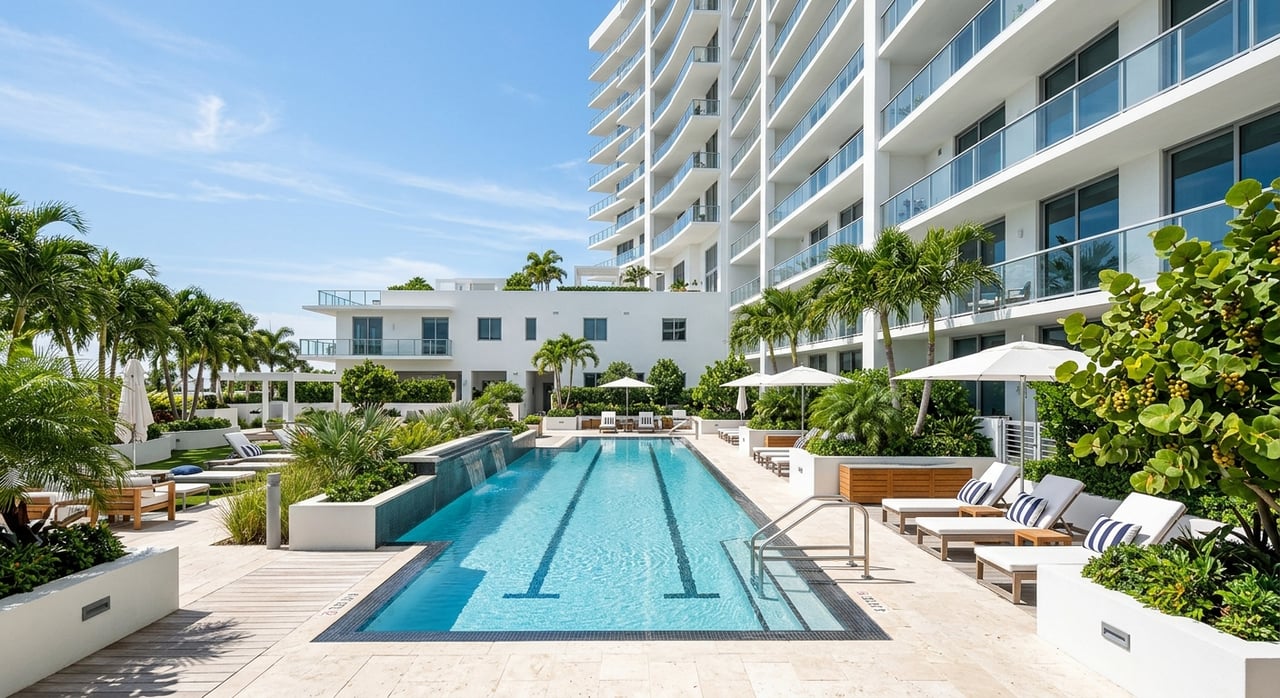
Condos and townhomes are common across Pinellas County, especially in amenity-rich and coastal areas. They can appeal to buyers who want lower exterior maintenance or a second-home style property with rental potential.
But condo ownership comes with an important warning. Florida condo law recognizes that association documents and amendments may prohibit rentals, change rental terms, or limit how often units may be rented for some owners and future purchasers. That means a condo that looks ideal for income on paper may not fit your plan in real life.
Before you buy, review the declaration, bylaws, and current rules carefully. If your goal is seasonal or short-term renting, this step is especially important.
One of the biggest decisions you will make is rental length. In Pinellas County, long-term and short-term rentals follow very different rules, costs, and management demands.
For long-term rentals, Florida now preempts local regulation of residential tenancies and landlord-tenant relationships. Pinellas County states that its former Tenants Bill of Rights is no longer in effect because of state preemption.
In practical terms, that means lease terms, notice requirements, and security deposit rules are mainly a Florida law issue rather than a county ordinance issue. If you are planning a traditional year-round rental, your compliance framework will be different from a vacation rental setup.
For short-term rentals, the rules are more specific. Pinellas County says that in unincorporated Pinellas County, a short-term rental is a home or unit rented for less than 30 days, more than three times per year, or advertised as a place for regular guest rentals.
If your property is in unincorporated Pinellas County, you must obtain a Certificate of Use, pass an inspection, and follow county rules related to occupancy, parking, trash, noise, and guest notices. The county also advises owners to check municipal rules because city requirements may differ from county rules.
Seasonality also matters if you are considering a vacation-rental model. Pinellas County tourist development tax reporting shows stronger collections from February through April than in fall months, which can serve as a practical sign of higher visitor demand in peak season and softer demand in off-season periods.
If you want to use a property for regular guest stays, small operational details can have a big impact on whether the plan works.
In unincorporated Pinellas County, maximum occupancy is two guests per bedroom plus two in one common area, with a cap of 10 occupants. Parking must be off-street at one space per three occupants, and quiet hours run from 10 p.m. to 9 a.m.
The county also requires a posted notice with responsible-party contact information and basic guest instructions. These are not small technicalities. They can affect whether a specific house or condo is truly set up for the rental model you have in mind.
At the state level, Florida’s Department of Business and Professional Regulation says new public lodging establishments and new owners of existing establishments must obtain a license before operating. Florida classifies vacation rentals as either condominium or dwelling licenses, depending on the property.
Rental taxes can change your numbers quickly, especially for seasonal or short-term rentals. If you overlook them at the start, your expected return may not hold up.
For rentals of six months or less, Florida says state sales tax and discretionary surtax apply, and counties may impose local transient rental taxes. The Pinellas County Tax Collector says owners collecting rent on living quarters for six months or less must register for a tourist development tax account, collect the tax, and remit it, although some booking platforms may collect for the owner.
Current Pinellas County local rates include a 6% tourist development tax and a 1% discretionary sales surtax, in addition to Florida’s 6% state sales tax. If you are comparing long-term and short-term strategies, this is one of the most important financial differences to model accurately.
Property taxes should be estimated before closing, not after. In Pinellas County, taxes are based on property value, and the Property Appraiser offers a tax estimator to help buyers evaluate likely ownership costs.
This matters even more for investment properties because the Save Our Homes cap does not apply to properties that are not homesteaded or are rented. A rental property may reset to a more market-based assessment faster than an owner-occupied primary residence.
Homestead status in Pinellas County requires the property to be your primary residence. So if you are buying a true rental, do not assume owner-occupied tax treatment when you run the numbers.
In Pinellas County, flood and storm risk are not side issues. They are a central part of rental property underwriting.
The county states that everyone in Pinellas is in a flood zone, and FEMA flood maps drive federal flood insurance requirements. Most homeowners policies do not cover flood loss, and flood insurance is required for federally backed mortgages in Special Flood Hazard Areas.
Insurance costs can vary widely from one property to another. Pinellas County says flood insurance pricing is property-specific and can be affected by flood risk, elevation, foundation type, replacement cost, date built, and construction details.
That means two similar-looking properties can come with very different insurance bills. This is especially important if you are comparing beach-area condos, coastal homes, or low-lying neighborhoods.
Storm risk also affects your reserve planning. The county notes that storm surge can rise quickly and cause major damage, and substantial damage can trigger rebuild requirements before repairs are made. A smart budget should include room for insurance increases, flood-related deductibles, and repair downtime.
Before you commit to a rental property in Pinellas County, make sure you can answer these questions clearly:
The clearer these answers are before you buy, the easier it is to avoid costly surprises later.
Pinellas County can offer real opportunity for both long-term and seasonal rental owners. But the right fit depends on more than location and price.
Your plan should line up with the property type, the local or municipal setting, any association restrictions, and the full tax and insurance picture. A condo near the beach, for example, may offer strong lifestyle appeal but come with tighter rental rules and different cost exposure than a single-family home inland.
The best rental purchases usually happen when you start with a clear strategy, then choose a property that supports it. If you want a more informed path as you explore investing in Pinellas County, Sheri Boesch offers the kind of local, hands-on guidance that can help you evaluate options with confidence.



Your next move deserves clarity and confidence. Connect with Team Opulence to buy, sell, or invest with guidance rooted in honesty, strategy, and results that truly align with you.