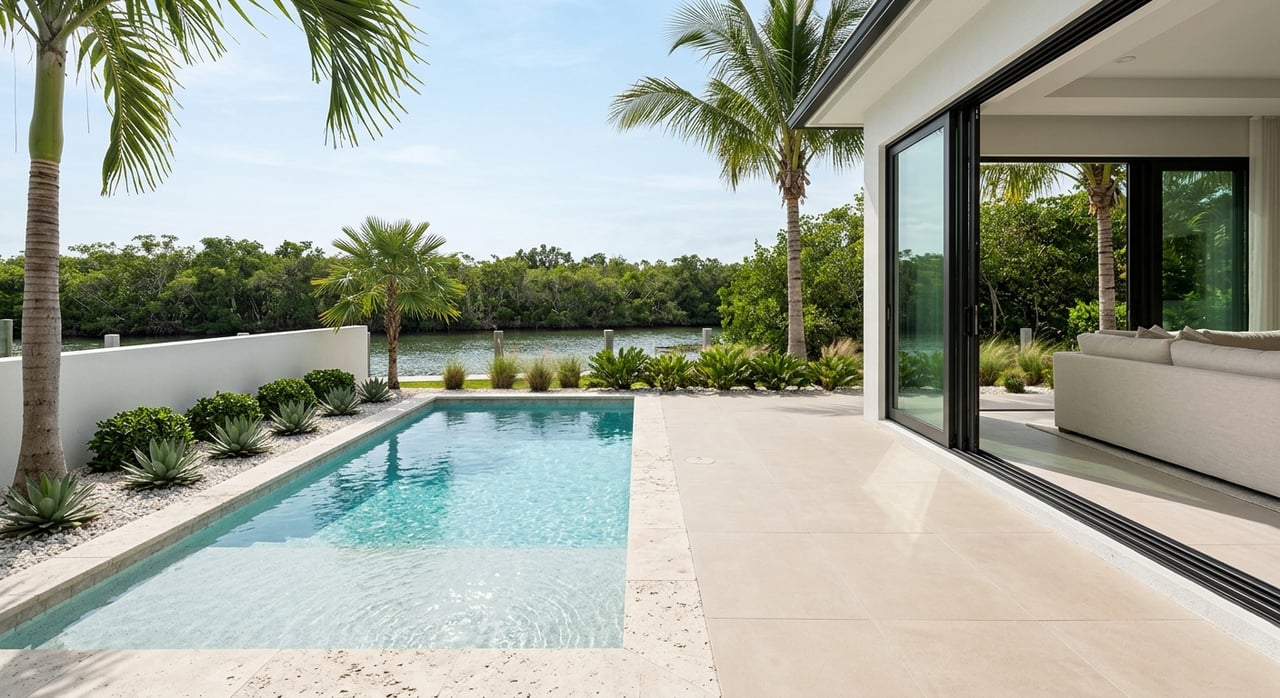
Coastal Living Across Pinellas County Communities
July 9, 2026
July 9, 2026
Dreaming about coastal living in Pinellas County can feel exciting until you realize just how many different lifestyles fit under that one phrase. You might picture a Gulf-front condo, a quieter bayfront setting, or a north-county neighborhood that keeps you close to the water without putting you right on the sand. The good news is that each option offers a distinct rhythm of life, and understanding those differences can help you choose with more confidence. Let’s dive in.
Pinellas County is not a one-size-fits-all coastal market. County flood-vulnerability materials describe it as a narrow coastal peninsula with 590 miles of highly developed coastline, and only 15 miles across at its widest point. That shape helps explain why you can find beach, bayfront, and near-coast living all within a relatively short drive.
It also means water affects daily life in practical ways. According to the county, sea-level rise, storm surge, and tidal flooding are expected to increase over time, including inland impacts when rising seas combine with groundwater and heavy rain. If you are exploring homes here, lifestyle and location go hand in hand with planning and risk awareness.
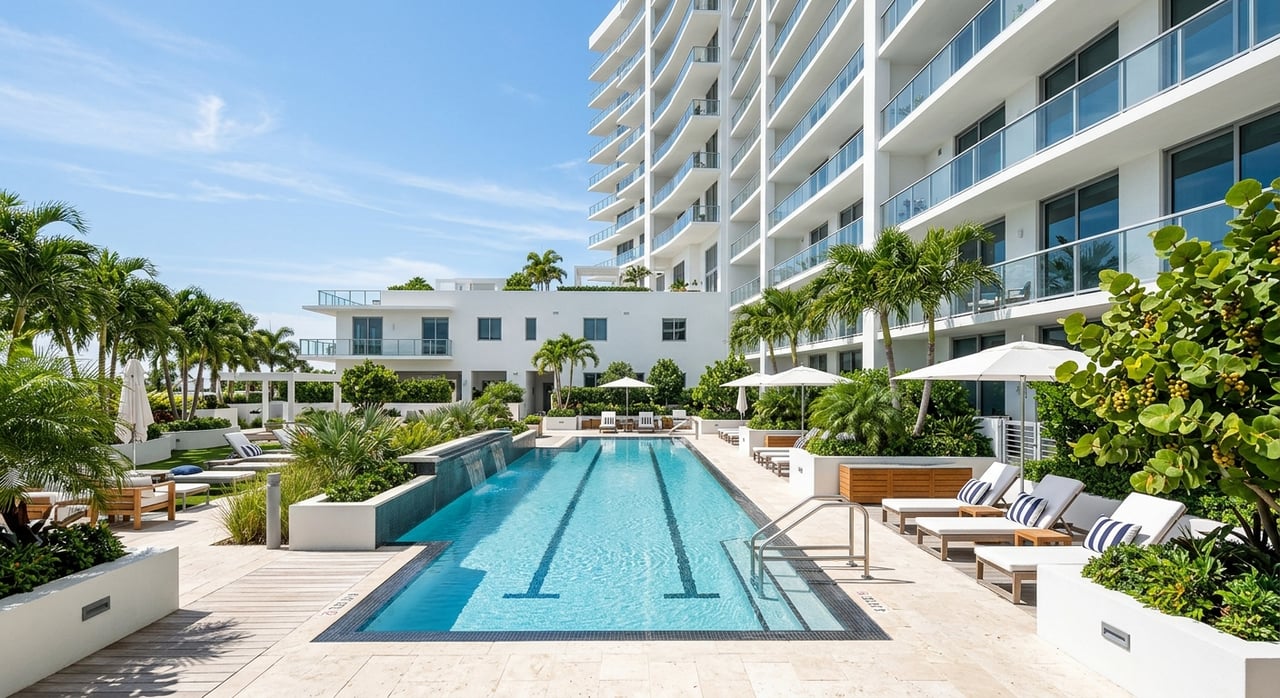
For many buyers, classic coastal living starts with the barrier islands. This is where you find direct Gulf access, broad beaches, and a more vacation-like atmosphere that can feel lively year-round.
Clearwater Beach is one of the clearest examples of barrier-island living in Pinellas County. The city describes it as approximately 3 miles of sugar-white sand and Gulf water at the west end of Gulf-to-Bay Boulevard, with public parking, a walkable Beach Walk, Pier 60, year-round lifeguards, and daily beach cleaning. You also have convenient access to restaurants, shops, dinner cruises, and live music.
If you want a setting where you can step into a more active beach environment, Clearwater Beach often checks that box. Walkability is a big part of the appeal, especially if you like having attractions and amenities nearby rather than needing to drive for every outing.
One detail buyers sometimes overlook is that beach living also comes with local rules and access patterns. Clearwater Beach has specific public-beach restrictions, including no alcohol on public beaches, no pets on the bathing beach, no fires, and limits on camping, fishing in swim zones, and how boats or personal watercraft can be used near the beach.
That may not change your overall interest, but it can shape how you imagine using the area day to day. A beach community may feel relaxed, but it is still important to understand how public access, parking, and beach rules actually work.
Beyond city beaches, Pinellas County maintains three regional beach parks: Fort De Soto, Sand Key, and Fred Howard. The county also provides beach access sites with parking at Indian Rocks Beach, Indian Shores/Tiki Gardens, Madeira Beach, Redington Shores, and St. Pete Beach.
The county notes that its developed barrier-island nourishment projects include Clearwater Beach, Sand Key, Treasure Island, and Long Key, and that more than 10 million cubic yards of sand have been added from Clearwater to St. Pete Beach over successive nourishments. For buyers, that is a reminder that these beaches are carefully managed public assets, not static shorelines.
If you love water views but want a different feel than the beach, bayfront living may be a better match. These communities often trade direct Gulf frontage for a more relaxed pace, local gathering spots, and easier marina-oriented access.
Safety Harbor is a strong bayfront example in Pinellas County. The city says it sits on the west side of Upper Tampa Bay and offers a small-town setting with businesses, special events, and recreation, along with access to Clearwater Beach and straightforward trips to St. Petersburg and Tampa.
That combination can appeal to buyers who want coastal character without centering daily life around the beach itself. Instead of a resort-style atmosphere, you may find the draw is more about the waterfront experience, community events, and a walkable downtown pattern.
The city’s marina includes wet slips and a boat ramp, and the nearby waterfront park features a scenic pier, a mangrove boardwalk, paved trails, and shaded picnic areas. Downtown Safety Harbor also offers free public parking and encourages walking or bicycling.
For some buyers, those details matter more than direct beach frontage. If your ideal weekend includes boating, strolling the waterfront, or spending time in a town center rather than setting up for a full beach day, a bayfront town may feel like a better fit.
Not every coastal buyer wants to live directly on the water. In North Pinellas, you can stay connected to the coastal lifestyle while prioritizing neighborhood feel, local history, and everyday convenience.
Palm Harbor is a useful example of this north-county category. Pinellas County places Palm Harbor in its North County area alongside East Lake, Highland Lakes, Crystal Beach, Ozona, and Greenbriar. County historic-preservation material also notes that Old Palm Harbor retains the community’s historic roots and original downtown commercial district centered on Florida Avenue.
For buyers who want access to beaches and coastal recreation without living in the middle of a beach district, Palm Harbor can offer a different type of value. You may get a more residential setting while still staying connected to the broader Pinellas coastal lifestyle.
Pinellas County includes Palm Harbor among designated golf-cart communities in unincorporated areas. The county also notes that golf carts are only street legal in designated zones in unincorporated areas, and that many municipalities have their own zones as well.
This is one of those local details that can shape how a neighborhood feels. If golf-cart access matters to you, it is worth confirming exactly where those zones apply rather than assuming the same rules carry from one community to another.
When buyers compare communities across Pinellas County, the biggest differences usually come down to access, pace, and how you want to spend your time.
No matter which Pinellas County community you prefer, flood risk should be part of your decision. The county says flood zones and evacuation zones are not the same, and that everyone lives in a flood zone. It also notes that the Flood Map Service Center provides interactive maps with flood-risk information, including hurricane evacuation zones and storm surge.
That distinction matters because a home’s day-to-day flood exposure and its storm evacuation requirements are related, but not identical. If you are buying near the coast or even somewhat inland, you will want to review both before moving forward.
The county also states that most homeowners insurance policies do not cover flood damage. That makes it especially important to understand the property’s flood zone, evacuation zone, and likely insurance questions early in the process, rather than waiting until the final stages of a purchase.
As you compare communities, keep your search focused on how you actually want to live.
The best Pinellas County community for you depends on more than the view. Clearwater Beach offers an energetic barrier-island experience with direct beach culture and walkable attractions. Safety Harbor brings a bayfront setting with marina access and a calmer town feel, while Palm Harbor shows how north-county living can blend convenience, character, and access to the broader coastal lifestyle.
When you look at these communities through both a lifestyle lens and a practical one, your options become much easier to sort through. If you want thoughtful guidance as you compare beach condos, bayfront areas, or north Pinellas neighborhoods, Sheri Boesch can help you move forward with clarity and confidence.


Your next move deserves clarity and confidence. Connect with Team Opulence to buy, sell, or invest with guidance rooted in honesty, strategy, and results that truly align with you.