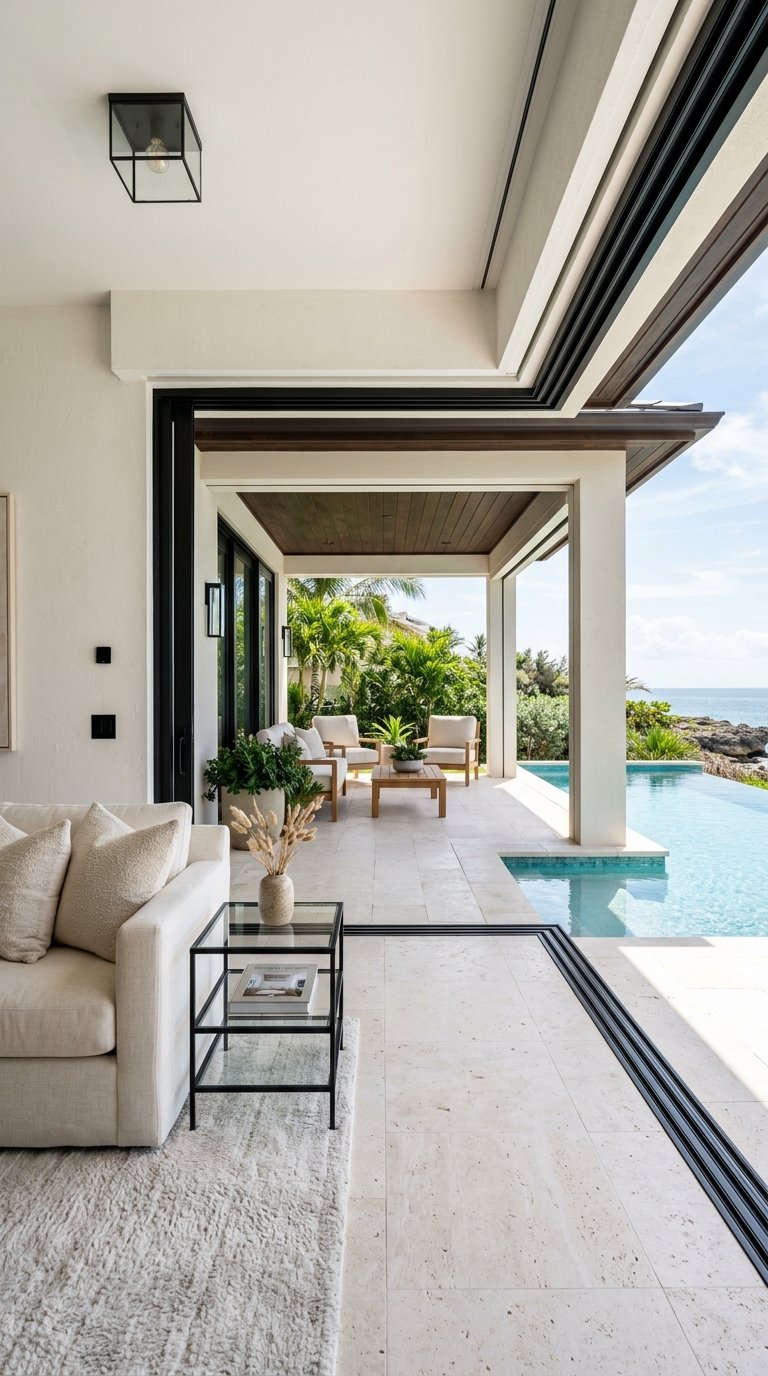
Palm Harbor Housing Market Trends Explained
May 21, 2026
May 21, 2026
If Palm Harbor’s housing market feels harder to read lately, you are not imagining it. Prices, inventory, and buyer behavior are no longer moving in the fast, predictable way many people saw a few years ago. The good news is that the latest data paints a much clearer picture, and understanding it can help you make smarter buying or selling decisions. Let’s dive in.
The clearest takeaway from spring 2026 is that Palm Harbor has shifted into a cooler, more negotiable market. Several major housing data sources show softer prices and longer selling timelines compared with a year ago.
Zillow reports a typical home value of $399,916 through March 31, 2026, down 5.3% year over year. Redfin shows a March 2026 median sale price of $349,900, down 7.0% year over year. Realtor.com places the median listing price near $397,000, while homes are averaging 71 days on market.
These numbers do not match exactly because they measure different things. Still, they point in the same direction: Palm Harbor homes are generally taking longer to sell, and buyers have more room to negotiate than they did during the recent peak market.
When you read market reports, it helps to know that not every headline number means the same thing. Zillow’s figure reflects a typical home value model, Redfin tracks closed sales, and Realtor.com focuses on listing activity.
That means one report may show asking prices holding steady while another shows actual sale prices slipping. In Palm Harbor right now, that split matters because it suggests sellers are still aiming high in some cases, but buyers are not always meeting those prices at closing.
Inventory gives you a sense of how many options buyers have and how much competition sellers face. In April 2026, Zillow reported 653 homes for sale in Palm Harbor and 155 new listings that month.
Realtor.com estimated about 796 homes for sale. Countywide, Pinellas County had 11,775 homes for sale in March 2026, and Florida Realtors reported 3,277 active single-family listings in Pinellas County in February 2026.
Taken together, this suggests supply is still present. Buyers are not facing a severe shortage, but inventory is also not overflowing to the point where sellers lose all leverage.
One of the most useful inventory metrics is months of supply. Florida Realtors uses 5.5 months as the traditional benchmark for a balanced market.
In Pinellas County, single-family inventory stood at 3.8 months of supply in February 2026. That is below the balanced-market benchmark, which means the county still leans seller-favorable by this measure, even though conditions have slowed.
For you, that means Palm Harbor is not a deep buyer’s market. It is better described as a market where buyers have more breathing room, but well-positioned sellers can still succeed.
One of the biggest questions buyers and sellers ask is simple: are home prices going up or down? In Palm Harbor, the answer depends on whether you are looking at asking prices or closed-sale prices.
Realtor.com shows the median listing price at $397,000, up 0.52% year over year and 3.12% month over month. At the same time, Zillow’s typical home value is down 5.3% year over year, and Redfin’s median sale price is down 7.0%.
This gap tells an important story. Sellers may still be listing homes with confidence, but the market is rewarding homes that are priced accurately and presented well from the start.
Negotiation data backs that up. Zillow reports a median sale-to-list ratio of 0.968, and 79.2% of sales closed under list price, while only 5.3% sold over list.
Realtor.com also reports that homes sold for an average of 3.16% below asking in March 2026, with a 97% sale-to-list ratio. In practical terms, many buyers are no longer having to stretch far above asking, and many sellers should expect some negotiation.
That does not mean every home will sell at a discount. It does mean buyers are often in a better position when a home has been sitting, needs updates, or missed the market on pricing.
Another major trend is time. In Palm Harbor, homes are generally sitting on the market longer than they were a year ago.
Realtor.com reports 71 median days on market, up 29.09% year over year. Redfin shows 68 days in March 2026 versus 37 days a year earlier, while Zillow reports 40 days to pending as of April 30, 2026.
These figures vary by source, but the message is consistent: the pace has slowed. Buyers have more time to compare homes, and sellers need more patience than they may have needed in the recent past.
Yes, but not in a frenzied way. Redfin describes Palm Harbor as somewhat competitive, with homes receiving about one offer on average, while Realtor.com classifies it as a seller’s market.
Those descriptions can both be true when the market sits in the middle ground. Palm Harbor is not a rush-everything market, but it is also not a market where any home will sell quickly regardless of condition or pricing.
One of the most important things to understand is that Palm Harbor is not one single uniform market. Different areas and property types can move at very different speeds.
Realtor.com neighborhood data shows Ozona at 52 days on market, Crystal Beach at 67, Highland Lakes at 59, and Innisbrook Condominiums at 130. ZIP code data also varies, with 34685 at 53 days, 34684 at 68, and 34683 at 81.
This matters whether you are buying or selling. A condo-heavy area or a higher-end niche may require a different timeline and strategy than a faster-moving part of Palm Harbor.
If you are a buyer, today’s Palm Harbor market may give you more flexibility than you expected. With longer days on market and many homes selling below asking, you may have more time to compare options and negotiate terms.
That can be especially helpful if you want to ask for concessions or focus on homes that have been listed for several weeks. Buyers may also find more leverage on properties that need cosmetic updates or came to market priced too aggressively.
Still, being selective is not the same as being slow without a plan. Well-priced homes can still move, so it helps to know your budget, your must-haves, and how a specific area of Palm Harbor is behaving.
If you are selling, the market is asking for a more strategic approach. Buyers are watching value closely, and the data shows most homes are not closing at full asking price.
That means pricing correctly from day one matters more than ever. It also means presentation, condition, and a smooth showing experience can make a real difference when buyers have more homes to compare.
In a market like this, overpricing can cost you time. The longer a home sits, the more likely buyers are to view it as negotiable.
A strong seller plan often includes:
For busy owners, downsizers, or remote sellers, hands-on coordination can be especially valuable when timing and presentation matter this much.
The housing market does not move on local conditions alone. Financing costs continue to shape buyer behavior too.
Freddie Mac’s Primary Mortgage Market Survey showed the average 30-year fixed rate at 6.36% on May 14, 2026. That was only slightly below the prior week and still above 6.81% a year earlier.
When rates stay elevated, affordability stays tight for many households. That tends to make buyers more price-sensitive, more selective, and less willing to overlook issues in a listing.
Palm Harbor’s spring 2026 housing market looks slower and more negotiable than the recent peak years. Buyers have more leverage than before, but sellers still have opportunity when they price and position a home carefully.
The most important thing is to avoid treating every listing, neighborhood, or price point the same. Palm Harbor has clear submarket differences, and a smart plan starts with the specific home and area you are targeting.
If you want help reading the numbers through the lens of your move, pricing your home, or understanding how your part of Palm Harbor is performing, Sheri Boesch offers a polished, hands-on approach built around local expertise, strategy, and clear communication.
Your next move deserves clarity and confidence. Connect with Team Opulence to buy, sell, or invest with guidance rooted in honesty, strategy, and results that truly align with you.